Confidentiality Agreements (NDA): When and How?

Confidentiality Agreements (NDA): When and How?
"Can we just sign an NDA first?" The phrase comes up more and more often in business. Confidentiality agreements have become standard in many contexts – from employment to partnerships to investor meetings. But when is an NDA actually necessary, and what should it contain?
What Is a Confidentiality Agreement?
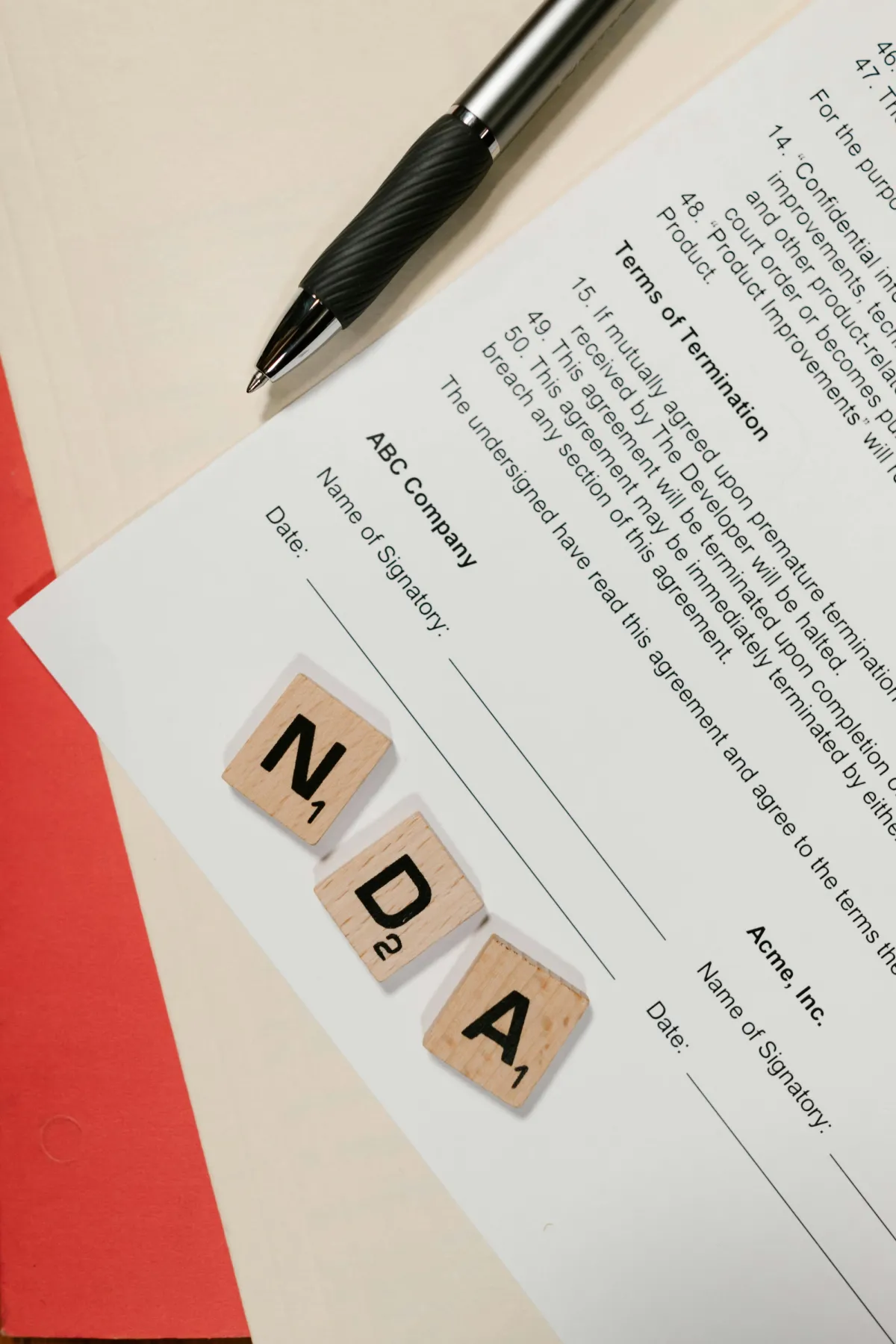
An NDA (Non-Disclosure Agreement) is a legally binding agreement where one or both parties commit to keeping certain information confidential. The agreement defines what is confidential, how long the confidentiality applies, and what the consequences are for breach.
When Should You Use an NDA?
1. Before Business Negotiations
When sharing business plans, pricing structures, or strategic considerations with potential partners or investors. You want to ensure the information isn't used against you if the collaboration doesn't materialise.
2. In Employment
Employees often gain access to sensitive information about customers, processes, and trade secrets. An NDA in the employment contract protects the company both during and after employment.
3. When Collaborating with Suppliers
When external suppliers, consultants, or freelancers gain access to internal systems or confidential data. They need to know the information must not be shared further.
4. During Due Diligence
Before a sale, merger, or investment, the buyer will typically review the company's documents. An NDA ensures sensitive information isn't spread, regardless of whether the deal goes through.
5. In Product Development
When collaborating with external developers, designers, or manufacturers on new products or ideas not yet protected by patent or trademark.
The Key Elements of an NDA
1. Definition of Confidential Information
Be specific. What exactly is confidential? Technical specifications, customer lists, pricing models, business plans? The clearer the definition, the stronger the protection.
2. Scope of Obligation
What may the recipient do – and not do – with the information? Typically, it may only be used for the agreed purpose and not shared with third parties without consent.
3. Duration
How long does the confidentiality apply? Often 2-5 years, but for particularly sensitive information, it can be longer or without expiry.
4. Exceptions
What is not confidential? Typically, information already publicly known, that the recipient already had, or that they receive legally from other sources.
5. Consequences of Breach
What happens if the agreement is breached? This can be liquidated damages, compensation claims, or immediate termination of the collaboration.
Unilateral vs. Mutual NDA
Unilateral NDA
Only one party shares confidential information, and only the other party is obligated. Typically used in employment or when a supplier gains access to a customer's data.
Mutual NDA
Both parties share confidential information and are mutually obligated. Used in negotiations, partnerships, or joint ventures where both contribute sensitive information.
Common Mistakes with NDAs
Many NDAs fail because the definition of confidential information is too vague, the duration is unrealistically long and therefore unenforceable, the agreement is signed after information has already been shared, or there are no concrete consequences for breach.
A good NDA is precise, realistic, and signed before the first confidential information is exchanged.
How to Handle NDAs in ePact
With ePact, you can create an NDA template with variable fields for party details, specific description of the confidential information, and duration. When you meet a new partner or hire an employee, it takes under a minute to customise and send for digital signature with MitID.
All signed NDAs are automatically archived with a full audit trail, so you can always document when the agreement was made.
The Bottom Line
A confidentiality agreement is your first line of defence when sharing valuable information. It costs a few minutes to send and can save you major problems later.
Use it proactively – before you share, not after. With ePact, the process is so simple there's no excuse to skip it.
